12 Small Bedroom Interior Design Ideas for Indian Homes (2026)

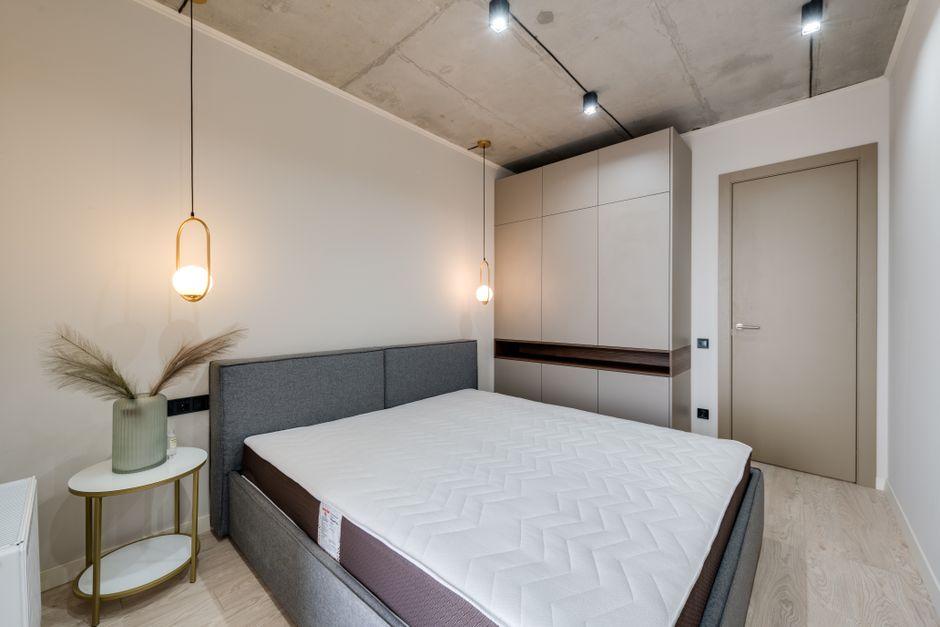
Small bedroom interior design ideas for Indian homes work best when layout and storage come before decoration. In a compact flat, a clear walking path, a correctly sized bed, layered storage and good light can make the room feel calmer without adding unnecessary furniture.
Updated August 2026
Small bedroom interior design ideas for Indian homes: start with layout
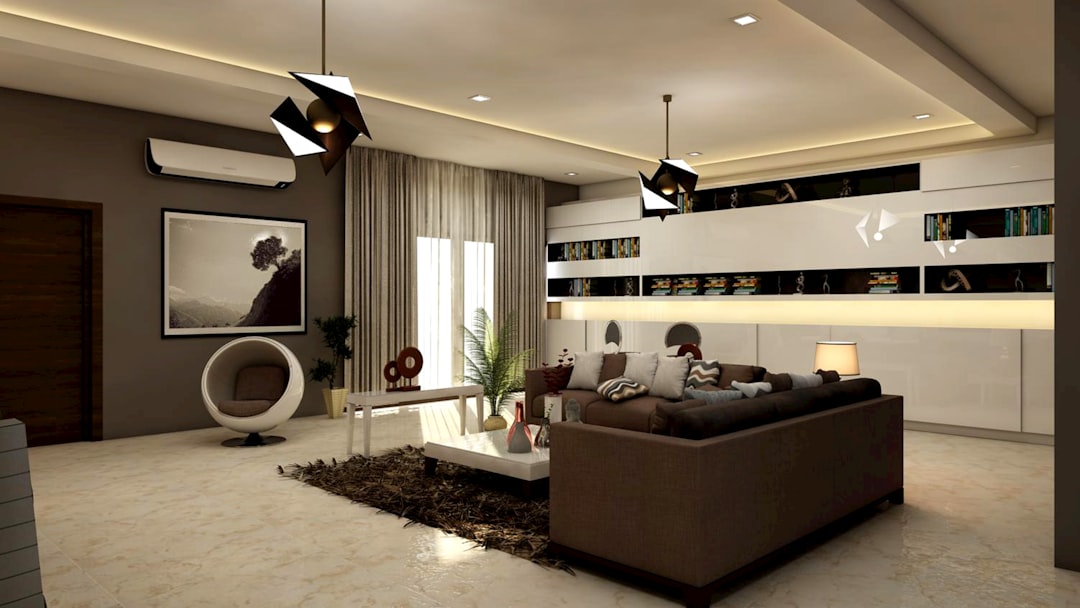
The most successful small bedroom interior design ideas for Indian homes begin with dimensions, not décor. Mark the door swing, window, wardrobe depth and electrical points on paper before deciding on a bed, desk or storage wall. This avoids costly carpentry changes after installation and helps every later choice support daily circulation.
1. Start with a layout that protects walking space
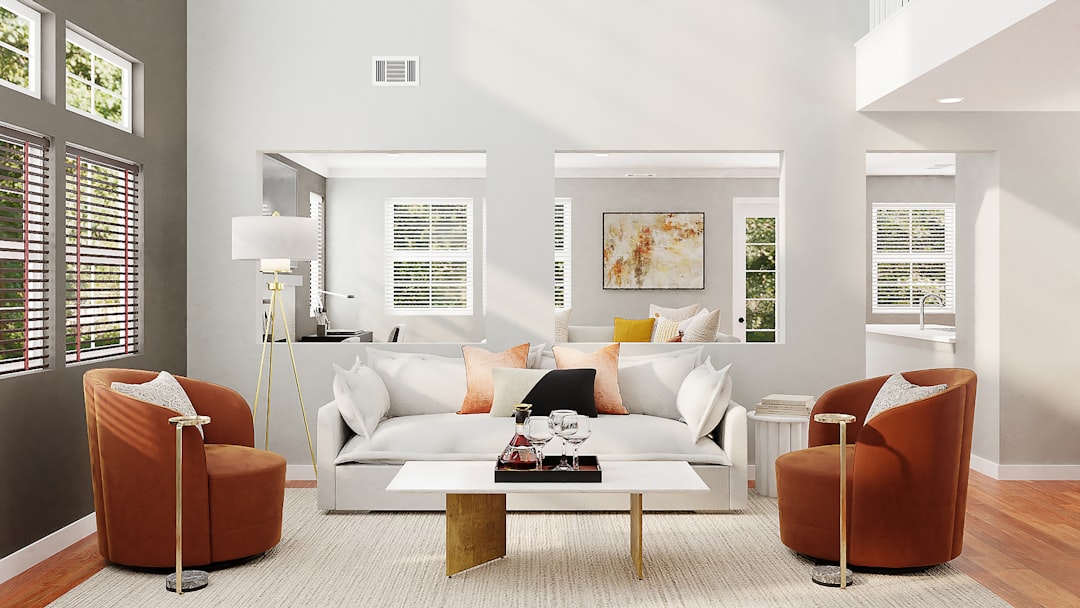
Measure the room, door swing, window position and the path to the wardrobe before buying anything. Place the bed against the longest practical wall and retain a usable passage on at least one side. In many Indian apartments, a slightly smaller bed with a clear route to the wardrobe feels more comfortable than a large bed that blocks every movement.
2. Use a storage bed only when access is easy
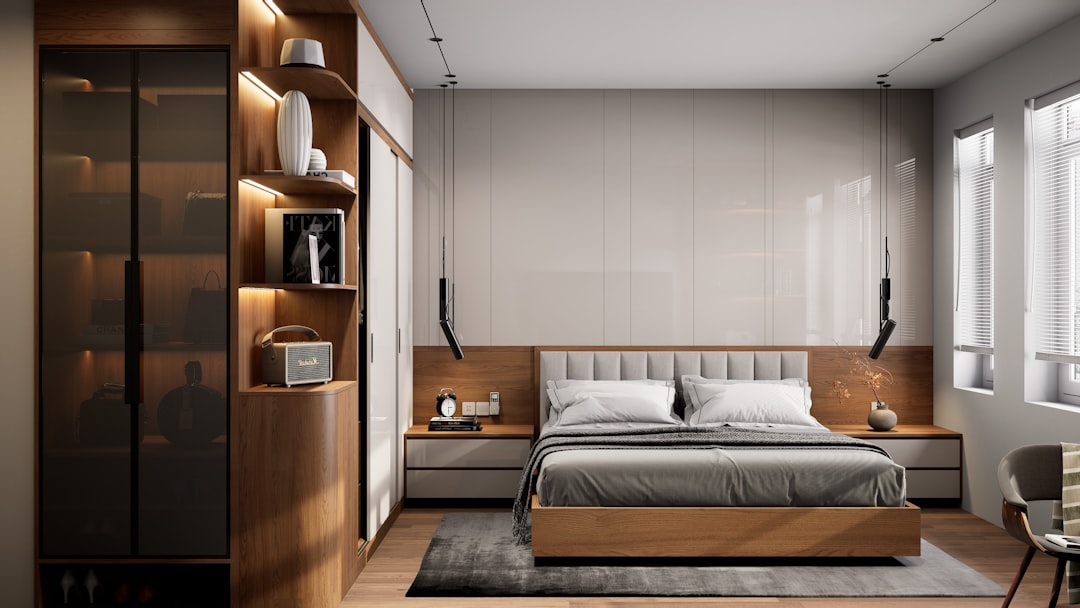
Hydraulic or drawer storage can hold seasonal linens, suitcases and extra bedding. Choose a mechanism that can be opened without moving other furniture, and avoid filling it with items you need every week. If the room is humid, use breathable storage bags and keep a simple inventory so the base does not become forgotten clutter.
3. Build a wardrobe to the ceiling
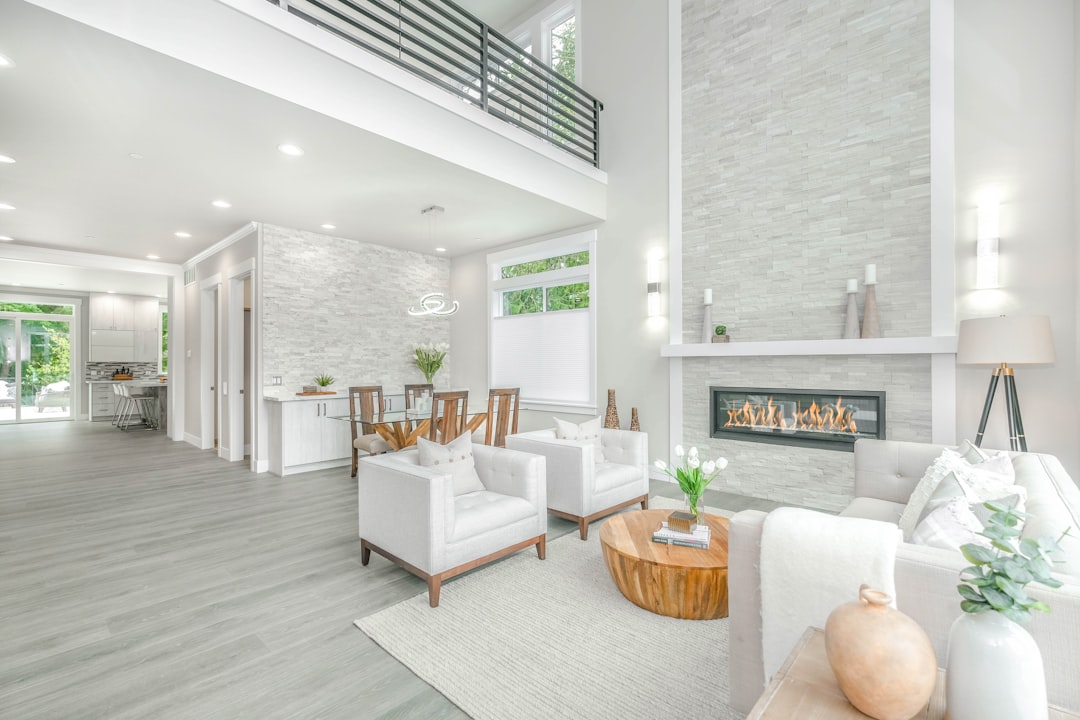
A full-height wardrobe uses the difficult upper zone for suitcases, blankets and festival décor. Split the design into daily-use shelves at eye level and loft storage above. Sliding shutters can help where there is not enough room for a swinging door, but they need quality tracks and a design that still gives access to the full wardrobe.
4. Choose one focal wall, not four busy walls
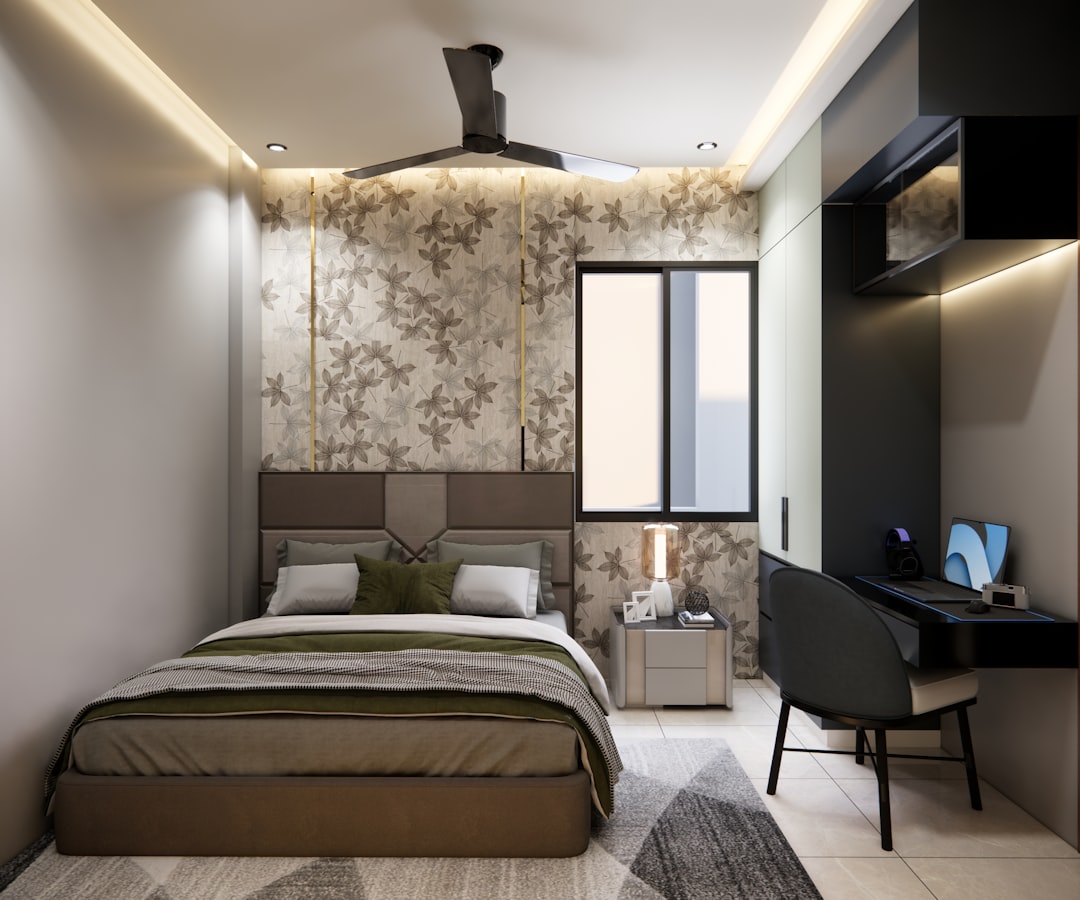
A warm off-white, pale grey, muted green or soft beige can make a small room feel settled. Add personality through one headboard wall, artwork, a textured panel or a fabric treatment instead of using dark patterns everywhere. The aim is visual rest: too many finishes, shelves and contrast colours make a compact room feel smaller.
5. Layer lighting around real tasks
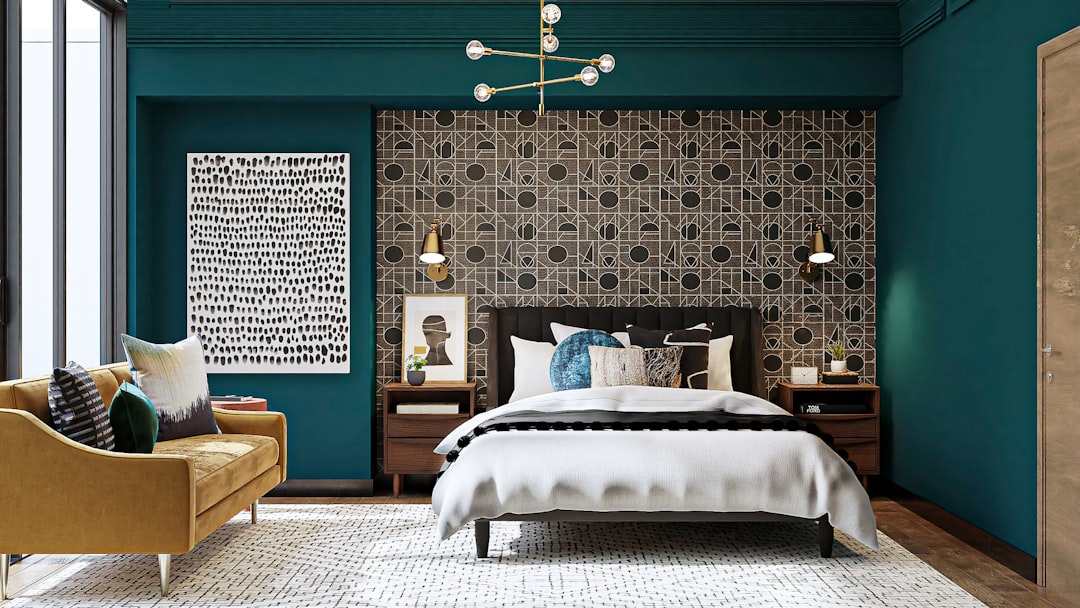
One bright ceiling light creates shadows near the bed and wardrobe. Combine ambient light with bedside reading lights and a practical wardrobe light. A warm bedside lamp makes the room feel more relaxed at night, while brighter task lighting near a mirror or dressing area helps in the morning. Keep switches reachable from the bed.
6. Let daylight work before adding décor
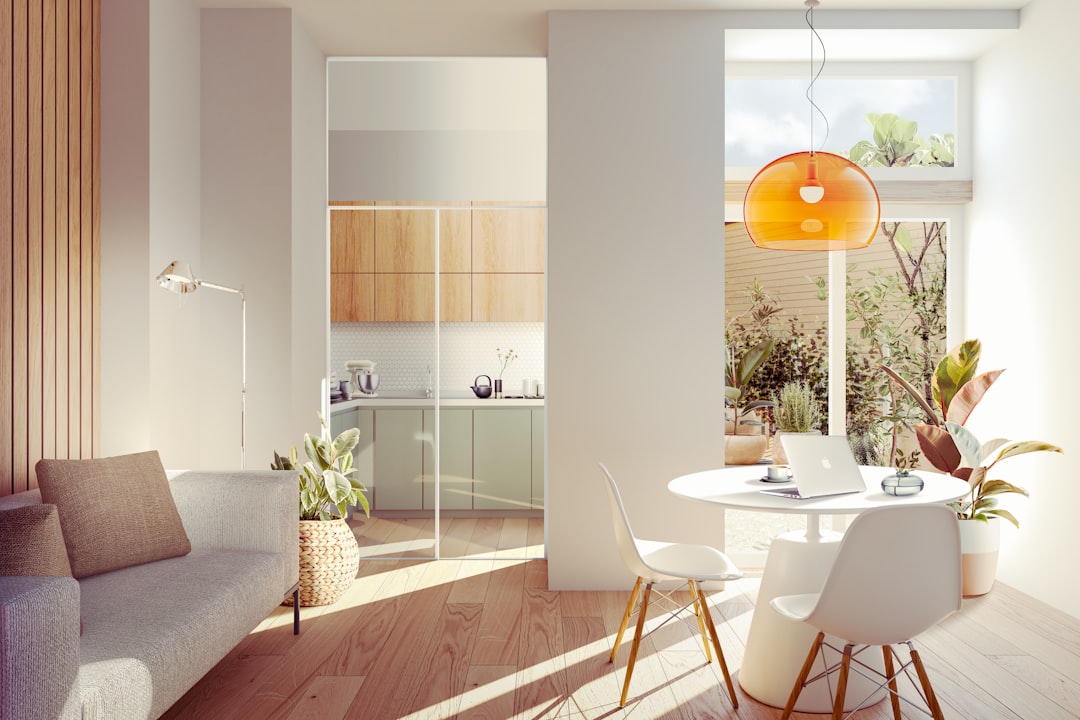
Avoid blocking a window with a tall cupboard or heavy furniture. Use sheer curtains for privacy in daytime and a blackout layer for sleep where street lighting is strong. Daylight and ventilation affect comfort as much as colour selection; the Bureau of Energy Efficiency highlights the broader importance of energy-efficient, comfortable buildings. For any alteration to windows or balconies, follow your society rules and local requirements.
7. Use a compact bedside solution
A slim wall-mounted ledge, a narrow drawer unit or a headboard niche can replace a large bedside table. The goal is to keep essentials—phone, water, glasses and a book—within reach without creating another bulky piece on the floor. Use concealed cable management so charging wires do not become visual clutter.
8. Add a mirror where it reflects light, not mess
A full-length mirror on a wardrobe shutter or a wall opposite a window can bounce daylight around the room. Do not place it only because it is a common design trick: a mirror that reflects an overcrowded study table or laundry pile doubles the visual noise. Keep the reflected view calm.
9. Make a study corner do double duty
For bedrooms that also serve as workspaces, use a wall-mounted desk, fold-down surface or a compact desk integrated with the wardrobe. Add a drawer for chargers and papers, and use a chair that can tuck fully underneath. If work calls are frequent, plan a small pinboard or acoustic soft furnishing rather than spreading office equipment across the bed.
10. Choose furniture with visible legs or wall mounting
Furniture lifted slightly off the floor lets the room read as one continuous surface. A wall-mounted TV panel, floating shelf or raised cabinet can create storage without turning the room into a box of heavy blocks. Do not overdo open shelving: a few display surfaces look intentional, while many exposed shelves demand constant styling.
11. Plan for Indian storage habits
Compact rooms still need space for luggage, winter quilts, spare mattress covers, puja items or family textiles. Plan these categories early. A loft above the wardrobe, labelled storage boxes and a dedicated suitcase bay can prevent everyday wardrobes from overflowing. Good interior design is not only about hiding possessions; it gives each category a realistic home.
12. Spend on the elements that change daily comfort
A small-room refresh can range from roughly ₹25,000–₹75,000 for paint, lighting, loose furniture and simple storage. A custom wardrobe with loft storage can cost about ₹60,000–₹1.5 lakh or more depending on materials, hardware, size and city. Treat these as planning ranges, not fixed quotes. Compare specifications, internal finishes, hardware warranties and installation scope before choosing a professional.
Small-bedroom mistakes to avoid
The most common mistake is buying furniture before creating a floor plan. Other avoidable errors include oversized beds, deep wardrobes near a tight passage, only one harsh ceiling light, too many decorative cushions on limited seating, and storage that cannot be accessed easily. A good designer will ask about daily routines, not just preferred Pinterest images.
Quick checklist before you redesign
- Measure walls, windows, door swings and electrical points.
- List storage categories before finalising furniture.
- Mark the bed, wardrobe and a clear walking route on a simple plan.
- Select one dominant finish and limit accent materials.
- Get itemised quotes for carpentry, hardware, paint, lighting and installation.
- Keep a contingency for site adjustments in older flats.
FAQs
What bed size is best for a small Indian bedroom?
Choose the largest size that still leaves a comfortable route to the wardrobe and door. Room dimensions and daily use matter more than a standard preference.
Are sliding wardrobes good for small bedrooms?
They can save door-swing space, especially in tight rooms. Check the track quality, internal access and depth before ordering.
Which colours make a bedroom look bigger?
Light, warm neutrals and muted colours usually create a more open feel. Use contrast selectively through textiles or one focal wall.
How can I add storage without making the room feel crowded?
Use full-height wardrobes, under-bed storage and a limited number of wall-mounted solutions. Keep daily-use items accessible and seasonal items higher up.
Get a compact-bedroom plan that fits your home
A practical small bedroom is designed around your belongings, light, circulation and budget—not a copied showroom image. On MatchedNeeds Interior Design, you can compare verified professionals and choose a designer who can turn your room measurements into a space that works every day.