How to Choose an Ecommerce Website Development Company in Kolkata (2026)


Updated October 2026. The right ecommerce website development company in Kolkata should do more than create attractive product pages. It should help you choose a suitable platform, configure payments and shipping, build a mobile-first storefront, protect customer data, and support the store after launch. For planning, a small business may spend roughly ₹60,000–₹1.5 lakh for a starter hosted store, ₹1.2–₹3 lakh for a more customised WooCommerce build, and ₹3–₹8 lakh or more for complex integrations. These are indicative ranges, not fixed market prices.
Before comparing agencies, define your catalogue size, order volume, delivery areas, languages, payment methods, integrations and launch date. A clear brief makes quotes comparable and prevents a low initial estimate from becoming expensive change requests.
What should an ecommerce website development company in Kolkata handle?

A reliable partner should cover discovery, information architecture, UX design, development, testing, launch and an agreed support period. Ask for named deliverables instead of accepting “complete ecommerce website” as a vague promise.
- Responsive storefront for mobile, tablet and desktop.
- Product catalogue, variants, inventory, discounts and order management.
- Payment gateway setup for prepaid payments, refunds and reconciliation.
- Shipping rules, pincode checks, COD controls and tracking integration.
- Admin training, analytics, backups, security updates and bug support.
Google’s SEO Starter Guide emphasises crawlable, descriptive and people-first site structure. Your developer should therefore explain URL patterns, page titles, product data, redirects, sitemap handling and performance—not simply promise “SEO included”.
Which platform is best for a Kolkata online store?
There is no universal winner. The platform should match your catalogue, budget, internal skills and need for custom workflows.
| Option | Good fit | Watch-outs |
|---|---|---|
| Hosted platform | Fast launch, standard catalogue and low technical overhead | Recurring fees, app costs and platform limits |
| WooCommerce | Businesses wanting WordPress flexibility and ownership | Needs managed hosting, updates, backups and plugin discipline |
| Custom application | Complex pricing, B2B workflows or deep integrations | Higher build cost, longer testing and ongoing maintenance |
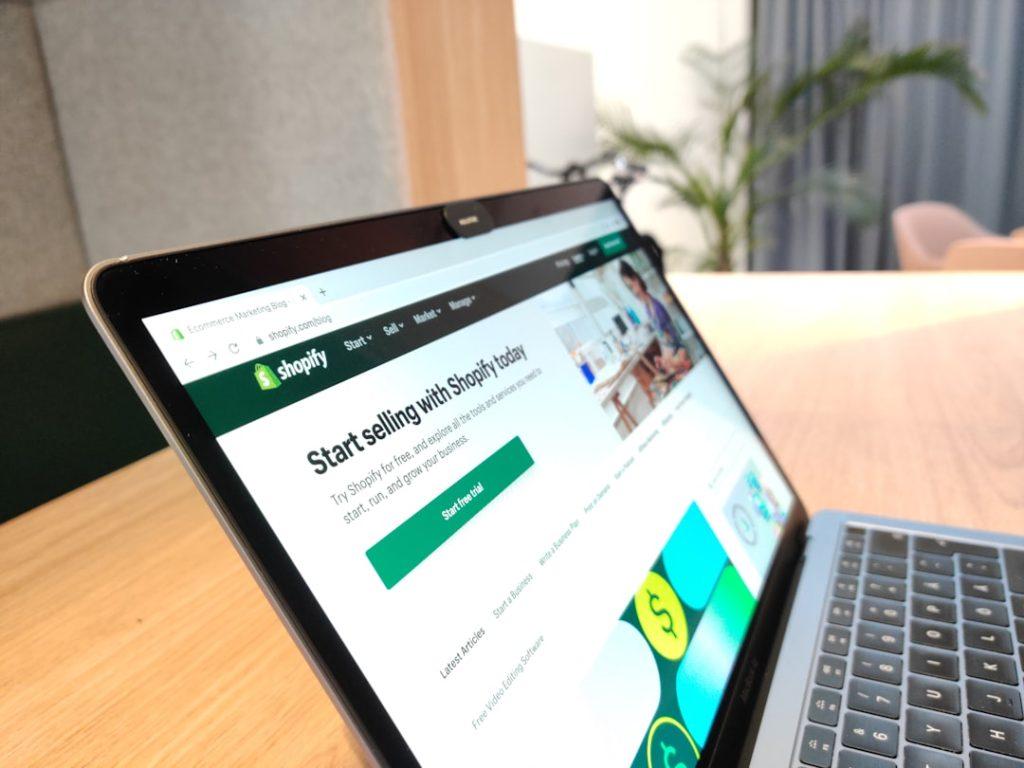
Shopify’s 2026 ecommerce cost guide separates hosted-platform expenses from agency-built stores and highlights recurring costs such as hosting, payment processing, apps and design. Use the same logic when reviewing an Indian quote: compare the total cost of ownership, not only the development fee.
What local requirements should Kolkata businesses discuss?
A Kolkata-focused brief should cover English and Bengali content if your audience needs it, plus delivery rules for central Kolkata, Salt Lake, New Town, Howrah and wider West Bengal service areas. You may need separate rules for local delivery, courier shipping, pickup and non-serviceable pincodes.
Ask how the store will handle COD verification, failed deliveries, address notes, shipping zones, return pickups and customer notifications. If your sales peak around Durga Puja, festive gifting or wedding seasons, request a performance and support plan for campaign traffic. A beautiful site that slows down during the most important sales week is an operational failure.
How much does an ecommerce website cost in Kolkata?
Use these bands only for early budgeting:
| Project type | Indicative setup range | Typical scope |
|---|---|---|
| Starter store | ₹60,000–₹1.5 lakh | Theme-led design, small catalogue, standard payments and shipping |
| Growing store | ₹1.2–₹3 lakh | Custom UX, WooCommerce or hosted customisation, catalogue migration and integrations |
| Complex or custom store | ₹3–₹8 lakh+ | ERP/CRM, advanced pricing, marketplace sync, subscriptions or bespoke workflows |
Budget separately for domain, hosting or platform fees, paid themes and apps, payment gateway charges, product photography, copywriting, catalogue entry, GST/invoice workflows, email/SMS tools and maintenance. Ask whether the quote includes taxes and how many products the team will upload.
What should be included in the project scope?

Request a written scope with assumptions and limits. It should state the number of templates, product categories, products or variants, user roles, integrations, revisions, testing devices and launch support.
- Design: homepage, category, product, cart, checkout, account and policy pages.
- Commerce: inventory, coupons, taxes, invoices, returns and order statuses.
- Operations: courier rules, payment reconciliation, notifications and analytics.
- Technical: hosting, SSL, backups, staging, access ownership and deployment.
- Growth: SEO fields, schema basics, redirects, Search Console and conversion tracking.
Make sure you own the domain, hosting account, code repository, analytics property, payment account and administrator credentials. The developer can manage them, but your business should not be locked out.
How do you compare two ecommerce developers fairly?

- Give both companies the same brief, catalogue example and integration list.
- Compare platform, hosting, licences, app subscriptions and maintenance separately.
- Ask for a clickable design or relevant portfolio—not only screenshots.
- Request a milestone plan covering discovery, design, development, testing and launch.
- Check who performs product migration, payment testing and shipping-rule testing.
- Confirm response times, bug definitions, backup frequency and post-launch fees.
Choose the proposal that makes risks visible. A slightly higher quote with clear ownership, testing and support can be safer than a cheap build that depends on undocumented plugins or a single freelancer.
What red flags should you avoid?

Be cautious if a company guarantees rankings, refuses to share admin ownership, cannot explain backups, offers an unusually low “all-inclusive” price, uses copied portfolio work, or avoids a written change-request process. Also ask who will maintain third-party plugins and what happens when a payment or shipping integration changes.
Do not approve the final launch until you have tested a real order from product selection to payment, invoice, email, stock deduction, shipping label and refund. Test on common mobile devices and slow connections too.
What is a sensible launch plan?

Start with a discovery workshop and a prioritised product list. Build a staging store, configure payments and shipping, import a small catalogue, test real workflows, train staff and then launch in a monitored window. Keep a rollback plan and reserve budget for the first month of fixes and improvements.
Frequently asked questions
How long does an ecommerce website take to build?
A small theme-led store may launch in several weeks, while catalogue migration, custom design and integrations can extend the schedule. The quality of product data and how quickly approvals happen often matter as much as coding.
Should a small Kolkata business choose Shopify or WooCommerce?
Choose a hosted platform when speed and low maintenance matter most. Choose WooCommerce when you need WordPress flexibility and have a dependable plan for hosting, updates and security.
Do ecommerce developers include payment gateway charges?
Usually the development quote covers integration, not the gateway’s transaction charges. Ask for setup costs, transaction fees, settlement timing and refund handling separately.
What should I ask about maintenance?
Ask what is covered, the response time for critical issues, backup and restore procedures, update responsibility, monthly hours and the cost of work outside the support plan.
If you are comparing an ecommerce website development company in Kolkata, share your catalogue, platform preference and delivery requirements through MatchedNeeds Website Development. You can compare verified professionals and choose a proposal with scope, ownership and support clearly stated.