Mobile App Maintenance Cost in India (2026): Complete Guide


Mobile app maintenance cost in India usually ranges from Rs 15,000-50,000 per month for a small app, while apps with active users, payments, integrations, or frequent releases may cost Rs 50,000-2,00,000+ per month. The right budget depends on bug fixing, operating-system updates, cloud usage, security, analytics, support, and new features. Maintenance is not just keeping the app listed; it is the ongoing work that keeps users able to log in, pay, and complete core actions.
How much does mobile app maintenance cost in India?
| App type | Typical monthly range | Typical needs |
|---|---|---|
| Simple MVP or utility app | Rs 15,000-50,000 | Bug fixes, releases, basic monitoring |
| Growing consumer app | Rs 50,000-1,50,000 | Support, analytics, integrations, frequent updates |
| Complex or high-traffic app | Rs 1,50,000-2,00,000+ | Reliability, security, cloud, performance, dedicated team |
These are planning ranges, not fixed tariffs. A cross-platform app may share more code between Android and iOS, but native dependencies, backend complexity, and release testing still affect the bill. Ask whether the estimate includes both platforms and the server-side systems your app relies on.
What is included in mobile app maintenance?
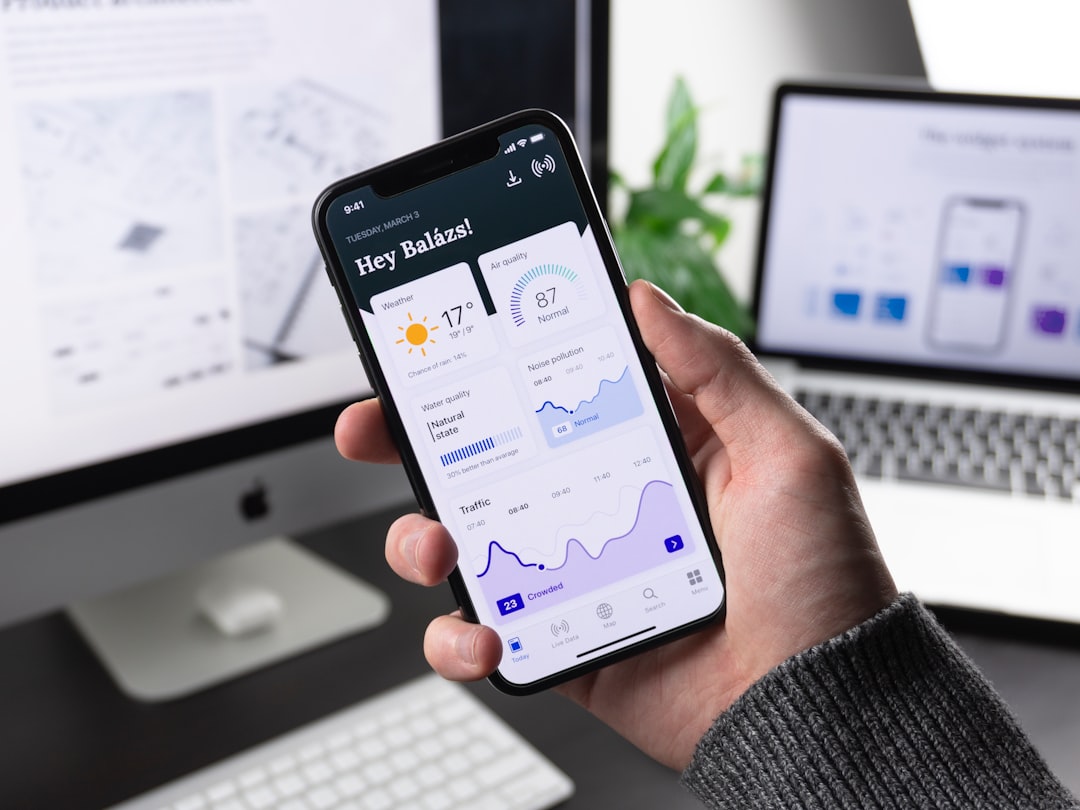
A useful maintenance plan should protect the entire user journey, not just the mobile screens. Check that it covers the API, database, admin panel, notification service, analytics, payment integration, and any web dashboard connected to the app. If one dependency fails, users may experience a broken feature even though the app itself opens normally.
Release management is another important item. The team should maintain separate development, testing, and production environments where practical, record changes, test critical flows, and keep a rollback plan. Ask how emergency hotfixes are approved and how users are informed when a release changes permissions or behaviour.
Routine maintenance can include crash monitoring, bug fixes, dependency updates, operating-system compatibility, app-store releases, database checks, backups, security patches, analytics, performance monitoring, and customer-support investigation. Some plans also include a limited number of small UI or content changes. New modules, redesigns, major integrations, and a change in business logic are usually development projects rather than maintenance.
Why do mobile app maintenance quotes vary?
User volume and geography affect operations. A small internal app may need occasional releases, but a consumer app may generate thousands of crash reports, support tickets, images, and transactions. Cloud bills for storage, databases, notifications, logs, and bandwidth should be forecast separately from developer fees. Ask for an expected monthly operating-cost range at current usage and at a realistic growth level.
The first factor is app complexity. Login, payments, maps, chat, video, subscriptions, notifications, and third-party APIs create more failure points than a static utility. The second is backend architecture: cloud hosting, databases, queues, storage, and monitoring may cost more as usage grows. The third is service level. A business-critical app that needs same-day response costs more than an app that can wait several business days for a fix.
Technology age matters too. Old SDKs, abandoned libraries, undocumented code, and missing automated tests increase the time needed to make safe changes. Before accepting a low quote, ask the provider to review the repository and list technical debt separately.
What should a mobile app maintenance plan include?
Ask for a written scope covering Android and iOS versions, supported devices, release frequency, crash response, severity definitions, backup responsibility, security monitoring, app-store account access, analytics, cloud bills, support hours, included development hours, and exclusions. Confirm who owns the source code, certificates, signing keys, cloud accounts, and store accounts. Losing access to these assets can delay an otherwise simple release.
How can you reduce mobile app maintenance cost?
Security deserves its own line in the budget. Review authentication, permissions, insecure storage, exposed API keys, and third-party SDK behaviour. The OWASP Mobile Top 10 is a useful reference for discussing common mobile security risks with your development team. A security review is especially important when the app handles payments, health information, identity documents, or location data.
Keep a release calendar that includes operating-system updates, dependency reviews, certificate renewals, store submissions, backup checks, and analytics reviews. Predictable maintenance reduces the need for rushed emergency work and helps the business approve costs before a problem affects customers.
Keep dependencies current, document the codebase, automate testing for core journeys, remove unused SDKs, monitor crashes, and fix recurring defects at their root. Prioritise maintenance by business impact: login, payments, checkout, notifications, and data loss deserve faster attention than cosmetic issues. A small monthly retainer is often cheaper than emergency work after an operating-system update breaks the app.
Should you hire an agency or freelancer?
Before handing over an existing app, request a short technical audit. It should identify unsupported SDKs, open security issues, missing tests, certificate expiry risks, cloud-account dependencies, and undocumented deployment steps. Fixing these items may be a one-time stabilisation project, but it gives you a more accurate maintenance budget afterward.
For sensitive apps, ask about access controls and confidentiality. Developers should receive only the credentials they need, and production access should be logged. Keep an independent copy of the repository, design files, database backups, and deployment documentation so your business is not locked to one supplier.
A freelancer can be cost-effective for a small, well-documented app with limited support needs. An agency or dedicated team may be safer when the app has payments, sensitive data, multiple integrations, or a strict release schedule. Compare continuity, response times, code ownership, testing, and backup coverage—not only the hourly rate.
What is a sensible first-year maintenance budget?
For a small app, estimate the monthly retainer, cloud and third-party service costs, store fees, and a separate reserve for larger fixes or compatibility work. A new app may require more attention in its first few months because real users expose edge cases that were not visible during development. Revisit the budget after reviewing crash data, support tickets, release frequency, and actual infrastructure usage.
Frequently asked questions
Is maintenance a percentage of development cost?
Some providers use an annual percentage, but a scope-based monthly retainer is easier to compare. Confirm the actual hours and services included.
Does maintenance include new features?
Usually not. Small changes may be included, but new features are normally quoted separately.
Do app-store fees count as maintenance?
They are separate operating costs unless the provider explicitly includes account management and renewals.
How often should an app be updated?
Review crashes and dependencies continuously, and release updates whenever security, compatibility, or important defects require them.
Updated August 2026.
Compare support scope, response times, testing, and ownership terms. Get 3-5 quotes from verified mobile app developers on MatchedNeeds before choosing a maintenance partner.