Ecommerce Website Development Cost in India (2026): Complete Price Breakdown


Ecommerce website development cost in India typically ranges from Rs 15,000 to more than Rs 10 lakh, depending on the platform, design complexity, and features your store needs. A basic template-based store usually costs Rs 15,000-50,000, a mid-level store with custom design and integrations runs Rs 1-5 lakh, and enterprise ecommerce platforms with advanced functionality can exceed Rs 10 lakh.
How much does ecommerce website development cost in India?
Most Indian businesses building an online store fall into one of three cost tiers. A basic, template-based store with standard features costs Rs 15,000-50,000 — enough for a small catalog with a straightforward checkout. A mid-level store with custom design, payment gateway integration, and inventory management typically runs Rs 1,00,000-5,00,000. Enterprise ecommerce platforms — large catalogs, custom architecture, advanced personalization or multi-warehouse logistics — can exceed Rs 10,00,000. Where your project lands depends far more on customization and integrations than on the number of products you sell.
What’s the difference between a basic, mid-level, and enterprise store?
| Tier | Best for | Likely price band | Notes |
|---|---|---|---|
| Basic/template | Small catalog, standard features | Rs 15,000-50,000 | Template-based, limited customization |
| Mid-level/custom | Growing business, integrations | Rs 1,00,000-5,00,000 | Custom design, payment/inventory integrations |
| Enterprise | Large catalog, advanced features | Rs 10,00,000+ | Advanced functionality, custom architecture |
A basic store is usually a good fit if you’re testing an idea or have a small, simple product range. Most growing Indian businesses land in the mid-level tier because it covers the features that actually matter for day-to-day operations: real payment integration, inventory syncing, and a design that doesn’t look like every other template store. Enterprise builds only make sense once you have the scale (traffic, catalog size, operational complexity) to justify custom architecture.
What recurring costs should you budget for beyond the initial build?
The one-time build cost is only part of the picture. For example, Hostinger’s 2026 ecommerce cost breakdown separates the initial build from domain, hosting, platform, design, and transaction expenses — a useful reminder that your first-year budget should not stop at the developer’s invoice. Ongoing costs typically include: a domain name (roughly Rs 600-2,500 per year), hosting (roughly Rs 69-2,500 per month depending on traffic and performance needs), the ecommerce platform or software subscription itself (roughly Rs 129-25,000 per month depending on the platform), and payment processing transaction fees, typically 2-3% per transaction. First-time store owners often budget only for the build and are surprised by these recurring costs a few months in — ask your developer to lay out the full first-year cost, not just the build quote, before you commit.
Should you choose a self-hosted platform or a SaaS platform?
WooCommerce, a self-hosted, open-source platform, is free to use with no monthly subscription for the core software itself — you pay separately for hosting (commonly $25-350/month for most stores) and any paid extensions ($29-299/year each) you add. SaaS platforms like Shopify bundle hosting, security, and support into one recurring subscription, which is simpler to manage but usually costs more over time and gives you less control over customization. A self-hosted platform like WooCommerce tends to suit businesses with some technical support (in-house or via their developer) who want lower long-term costs and more flexibility; a SaaS platform suits businesses that want to launch fast with minimal technical overhead.
What increases the cost of an ecommerce website?
Beyond the platform choice, a handful of factors reliably push the price up: custom design work instead of a template (design alone can run from free to Rs 5,00,000 depending on complexity), the number of third-party integrations (payment gateways, shipping/logistics APIs, inventory or accounting software), multi-currency or multi-language support, custom features like subscriptions or advanced search/filtering, and ongoing maintenance and security work. A quote that seems unusually low compared to others is often missing one of these — ask specifically what’s included before comparing numbers.
What should a website development company’s quote include?
A trustworthy quote should clearly separate the one-time build cost from recurring costs (hosting, platform subscription, domain, transaction fees), specify exactly which integrations are included, state the expected timeline to launch, and outline what ongoing support or maintenance costs after handover. If a development company gives you only a single lump-sum number with no breakdown, ask them to itemize it — a store owner who understands the cost structure is in a much better position to negotiate and to compare quotes fairly across vendors.
How should a small business plan its first-year ecommerce budget?
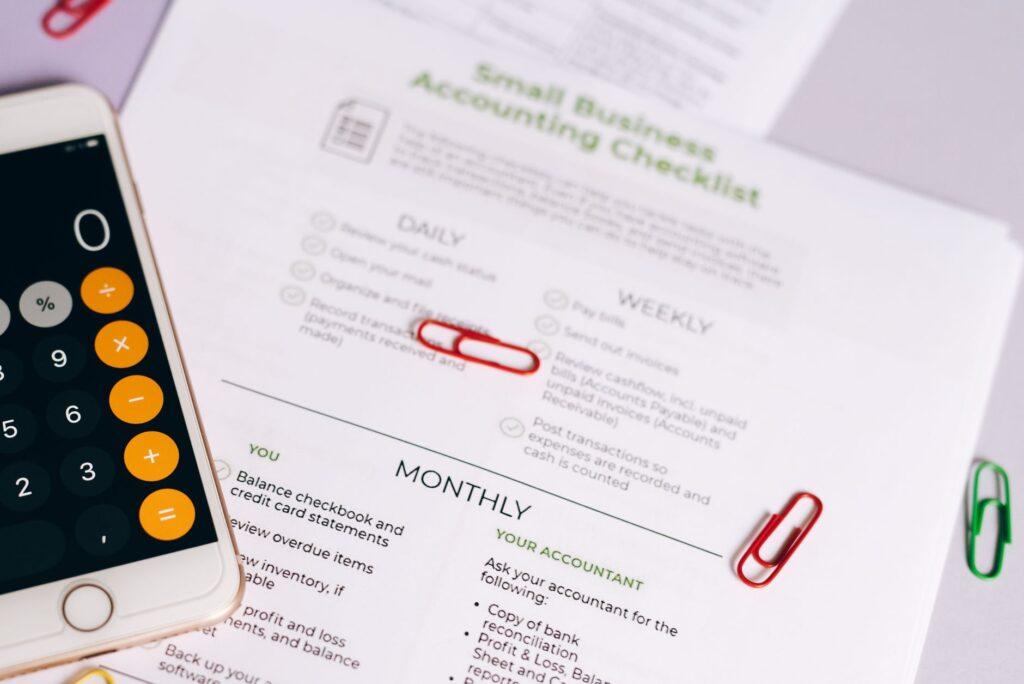
Start with the minimum store you need to sell reliably, rather than paying upfront for every possible feature. A sensible first-year budget includes the build, domain, hosting or platform subscription, payment processing, product photography or copy, basic analytics, and a maintenance reserve. If you are still validating demand, a template-based store can keep the initial risk low. Once sales justify it, invest in custom design, automation, faster hosting, and integrations that remove manual work. This phased approach is usually safer than commissioning an expensive enterprise build before you know which features your customers actually use.
Also ask whether the quote includes migration, backups, security updates, mobile testing, and launch support. These are easy to overlook because they do not appear in the storefront itself, but they affect whether the store remains usable after launch. Put them in the contract.
Frequently asked questions
Is WooCommerce free to use for an ecommerce store?
The core WooCommerce platform is free with no monthly subscription; you still pay for hosting and any paid extensions or themes you choose to add.
What recurring costs should I expect after the site is built?
Budget for domain renewal, hosting, the ecommerce platform subscription (if using a SaaS or paid plugin-based platform), and payment processing transaction fees, typically 2-3% per transaction.
Does the cost include payment gateway setup?
Not always — confirm with your developer whether payment gateway integration is included in the build quote or billed as a separate line item.
How long does it take to build an ecommerce website?
A basic template-based store can often launch in a few weeks; a mid-level custom build with integrations typically takes longer, and enterprise builds can take several months depending on scope.
Should I use a website builder or hire a development company?
A DIY builder can work for a very simple store on a tight budget, but a development company is usually worth it once you need custom integrations, a distinctive design, or ongoing technical support.
Updated August 2026.
Comparing itemized quotes — build cost, recurring costs, and integrations included — is the best way to choose the right developer for your store instead of just the cheapest number on paper. Get 3-5 quotes from verified website developers on MatchedNeeds and pick the one whose scope actually matches what your store needs.